
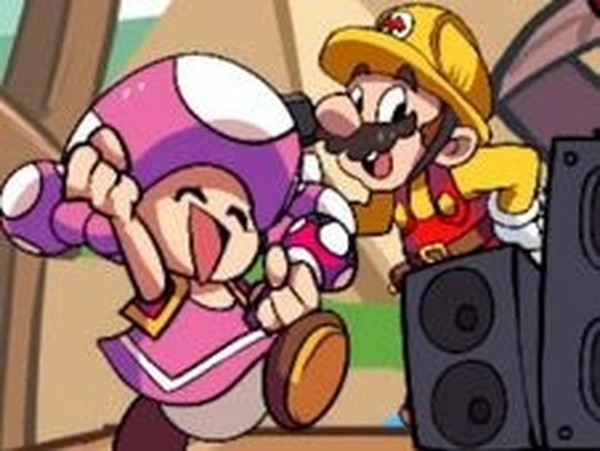
Rhythm Jump with Toadette
Reviews
Rhythm Jump with Toadette does one thing clearly: it asks you to press arrow keys in time with music while watching symbols above Toadette's head. The custom art and the modder-made Jump! Jump! Jump! remix give it a specific identity beyond a generic rhythm template. The gentle learning curve makes it approachable for beginners, while the accelerating arrow speed provides a real test for experienced players. The main limitation is scope—this is a mod downloaded from GameBanana, not a full commercial release, so the amount of content depends on what the modding community has included. Players who enjoy short, focused rhythm sessions and the Mario aesthetic will find the most value here.
About this game
Matching Arrows to the Beat
In Rhythm Jump with Toadette, arrow symbols appear above the character's head. Your job is to press the corresponding arrow key—up, down, left, or right—at the moment each symbol aligns with the music. The sequence matters as much as the timing; hitting the right key late or early breaks your streak. Miss too many notes consecutively and the run ends. The challenge scales naturally because the arrows accelerate as the track progresses.
What Makes This Version Distinct
This is a modded rhythm game built around Toadette from the Mario series, featuring custom art and animations alongside a remixed track called Jump! Jump! Jump! created by modders. The full version is available for download from GameBanana, which supports the developers. The presentation stays family-friendly with no violent content, and the controls are deliberately simple so new players can start quickly. [IMG_1]
How Difficulty Ramps
The learning curve is gentle at first. Early sections move slowly enough to build muscle memory, but the arrow speed increases as the song continues. That shift rewards players who watch the pattern of symbols rather than glancing down at the keyboard. Because the game is a mod, the modding community may have added variations or extra content beyond the base experience.
Approaches That Help
Listening to the music closely lets you anticipate upcoming notes instead of reacting only to what you see. Practicing slower sections before faster ones builds the timing and hand-eye coordination the game demands. If you miss a note, continuing without panicking matters—one mistake doesn't end the run, but a string of them will. Short sessions and regular breaks suit the concentration rhythm games require.
Compatibility
FAQ
Comments
Sign in to leave a review
No comments yet.





Editorial Notes